Algorithmic Frameworks for Customizing Bonuses in Digital Gambling Environments
Written by Klara Powell · Nov 7, 2026
Algorithmic Frameworks for Customizing Bonuses in Digital Gambling Environments
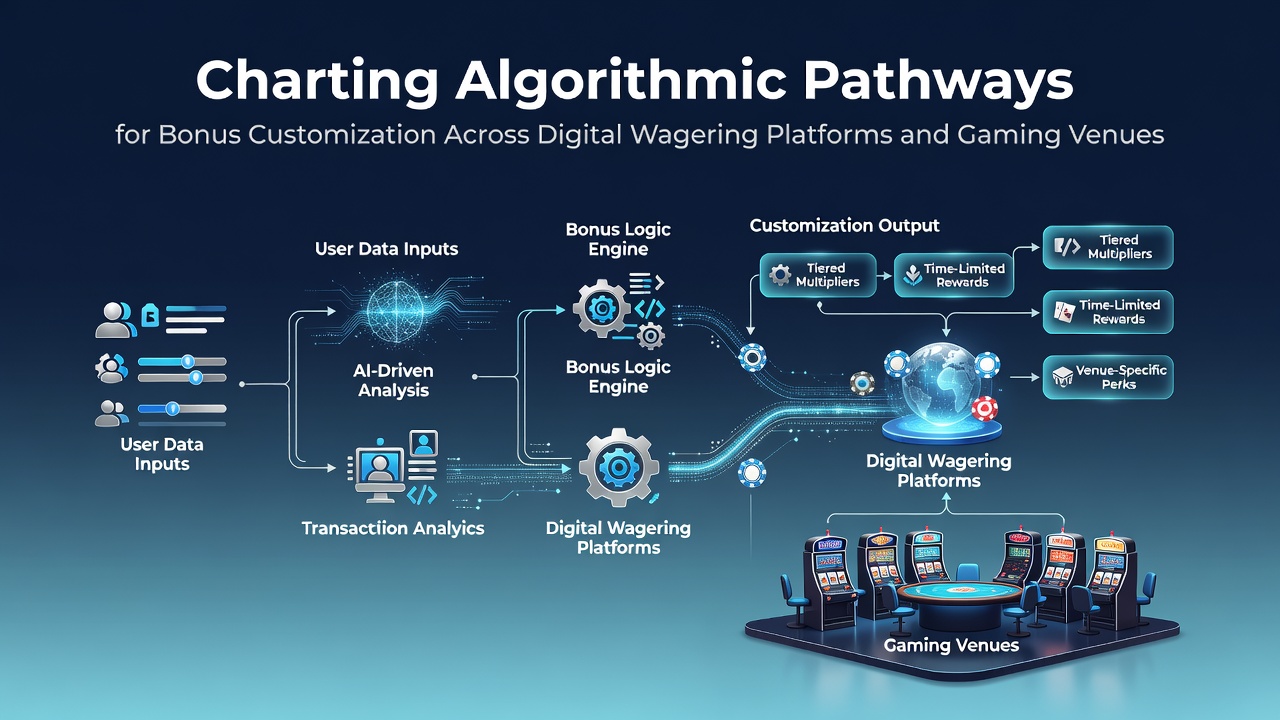
Platforms across digital wagering and casino sectors rely on algorithmic systems to tailor bonus structures based on player activity patterns, deposit histories, and engagement metrics. These frameworks process large datasets in real time, adjusting offers such as matched deposits, free spins, and cashback percentages to align with individual profiles while operators track performance indicators like retention rates and average session lengths. Observers note that such customization emerged as a response to competitive pressures in markets where participation levels have held steady even as gross gaming yield figures climbed in several regions during 2025 and into 2026.
Data Inputs Driving Algorithmic Decisions
Algorithms ingest variables including frequency of play, preferred game categories, wager sizes, and time spent on specific titles, then apply clustering techniques to segment users into groups that receive differentiated reward pathways. For instance, high-volume slot players might see escalated free spin allocations while sports bettors encounter adjusted odds boosts tied to recent betting volumes. Research from institutions such as the University of Nevada Reno has examined how these models incorporate risk scoring to limit exposure on volatile accounts, and data compiled by the Nevada Gaming Control Board shows measurable shifts in bonus redemption patterns when personalization layers activate. In November 2026 several major operators rolled out refreshed versions of these systems that added location-based signals from mobile sessions, allowing finer adjustments across jurisdictions with varying regulatory caps on promotional value.
Implementation Across Platform Types
Casino venues apply decision trees that prioritize game type affinity when generating offers, whereas sportsbook environments lean on outcome prediction models to calibrate risk-free bet equivalents or enhanced accumulator payouts. Poker rooms integrate rake-back algorithms that scale with tournament participation history, and bingo operators use similar logic to distribute ticket bundles according to session completion rates. Those who have reviewed deployment logs across multiple sites report that hybrid platforms combining several verticals often merge datasets to create cross-promotional pathways, such as converting casino bonus credits into sportsbook stake enhancements after a threshold of activity is met. The approach reduces overlap in reward distribution and maintains distinct engagement curves for each product category.
Technical Components and Optimization Loops
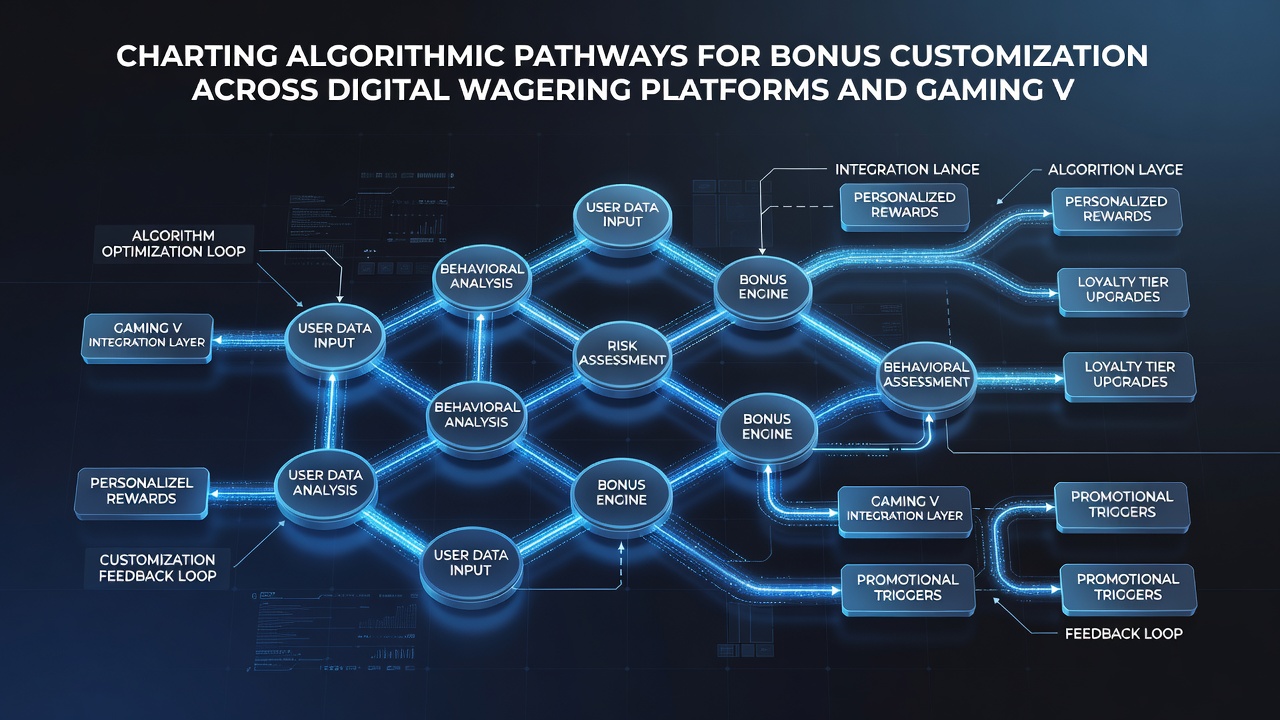
Machine learning models form the core of these systems, employing reinforcement learning loops that test small variations in bonus parameters against control groups before scaling successful configurations. Parameters under adjustment include expiry windows, contribution percentages toward wagering requirements, and maximum win caps tied to the bonus. Operators feed outcome data back into the models daily, refining predictions about which combinations drive incremental deposits without inflating bonus liability beyond set thresholds. A report issued by the American Gaming Association highlights that platforms achieving the tightest optimization cycles recorded higher average revenue per user in comparative analyses spanning 2024 through late 2026. Integration with payment method data further refines targeting, since algorithms can detect preferences for e-wallets or prepaid options and attach instant-unlock bonuses accordingly.
Regulatory and Compliance Layers
Jurisdictions impose disclosure rules that require clear presentation of algorithmic bonus terms, prompting operators to embed explanatory text generated dynamically from the same systems that create the offers. Compliance teams monitor for patterns that might breach advertising standards or responsible gambling thresholds, inserting hard caps on promotional frequency when algorithms flag accelerated play. In regions outside the UK, such as certain Australian states and Canadian provinces, updated guidelines effective in 2026 mandated periodic audits of personalization logic to verify that no segment receives disproportionate incentives that could conflict with harm-minimization objectives. These checks occur alongside routine financial reporting and help maintain operational continuity when new product verticals launch.
Conclusion
Algorithmic pathways for bonus customization continue to evolve as operators integrate additional data streams and refine model accuracy. The resulting structures allow precise allocation of promotional resources across casinos, sportsbooks, poker rooms, and bingo venues while satisfying both commercial targets and external oversight requirements. Continued monitoring by regulatory bodies and academic researchers will shape how these systems develop through subsequent platform updates.