Evaluation Frameworks and Their Role in Allocating Player Incentives Across Gambling Formats
Written by Cameron Griffin · Oct 24, 2026
Evaluation Frameworks and Their Role in Allocating Player Incentives Across Gambling Formats
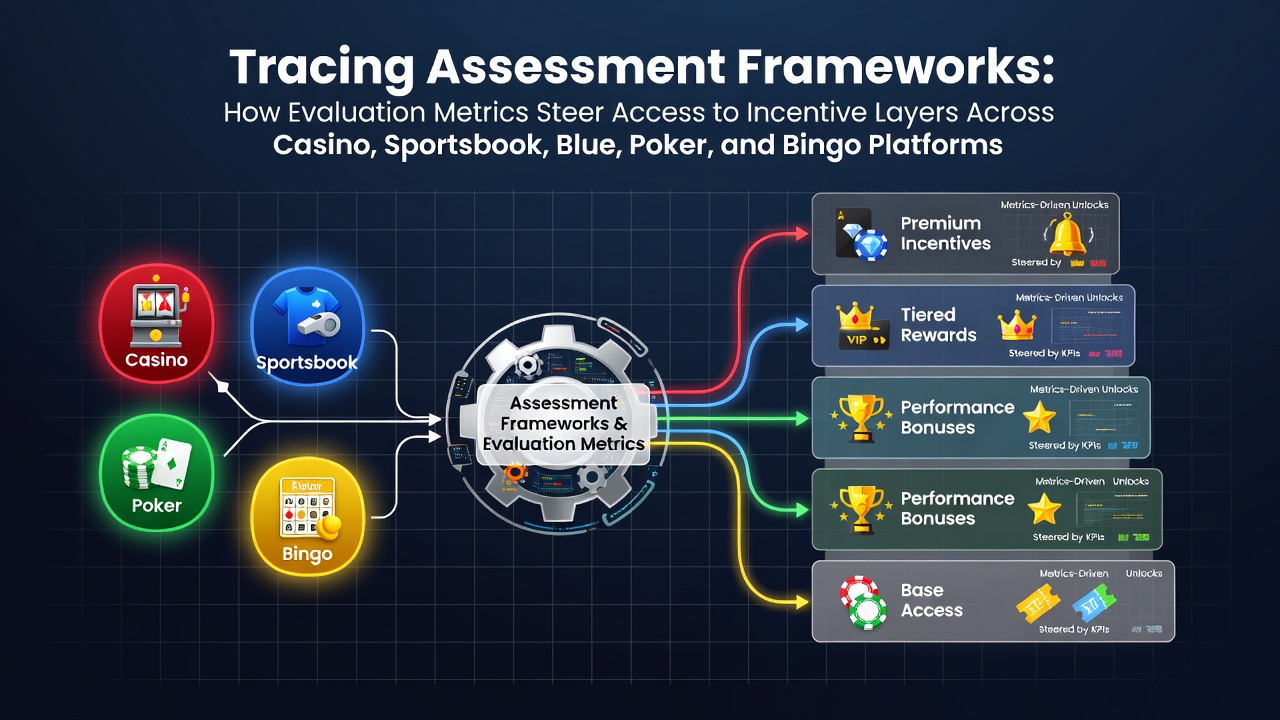
Assessment frameworks in online gambling rely on layered data points that track player behavior and determine eligibility for bonuses, loyalty rewards, and promotional tiers. Operators collect metrics such as deposit frequency, wagering volume, session duration, and game-specific activity to build profiles that unlock or restrict access to incentive structures. These systems operate differently across casino, sportsbook, poker, and bingo environments because each vertical generates distinct data signatures that algorithms weigh when assigning rewards.
Core Components of Player Assessment Systems
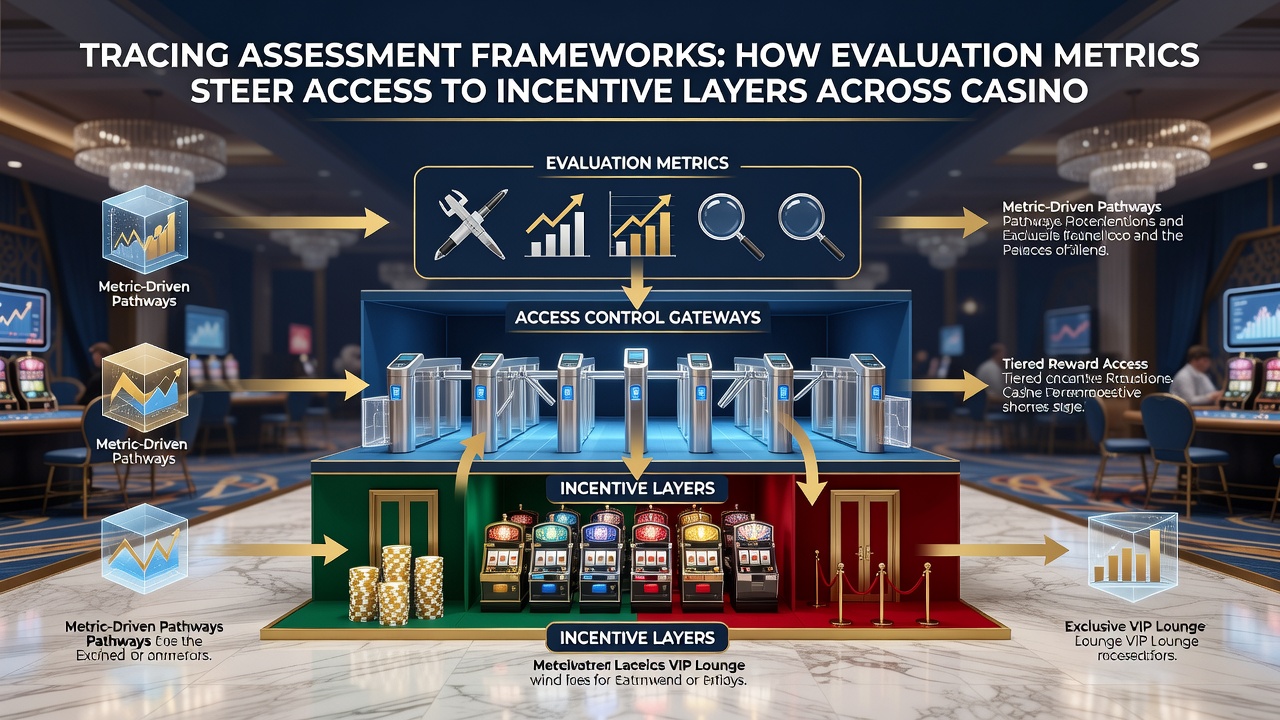
Evaluation models begin with raw transaction data and expand into predictive scores. Deposit patterns, average bet sizes, and loss ratios feed into algorithms that calculate a player's lifetime value while also flagging risk indicators. Platforms integrate these numbers with behavioral signals like login consistency and game variety to create composite ratings. In October 2026 operators continued refining these models to comply with evolving responsible gambling standards while maintaining competitive bonus structures.
One study from the University of Nevada, Las Vegas Center for Gaming Research revealed that casinos prioritize playthrough volume on slots and table games when granting reload bonuses, whereas sportsbooks emphasize settled bet totals and parlay participation rates. The same report noted that poker rooms measure rake contribution and tournament entries separately from cash game volume, creating distinct pathways to loyalty points. Bingo platforms focus on ticket purchases and chat engagement metrics because social activity correlates with retention in that format.
Platform-Specific Metric Weighting
Casino environments weight metrics around slot spins, bonus round triggers, and progressive jackpot contributions because these actions generate the highest house-edge revenue. A player who triggers frequent free-spin features may receive earlier access to cashback tiers than someone focused solely on table games. Sportsbooks adjust thresholds seasonally, elevating evaluation scores during major football or tennis calendars when handle volumes spike. Metrics here include live-bet frequency and cash-out behavior, both of which signal engagement levels that unlock enhanced odds or free bet ladders.
Poker operators track a hybrid of volume-based and skill-based indicators. Rake paid during cash games and buy-in totals in tournaments feed one score, while final table appearances and win-rate consistency influence a separate prestige rating. These dual tracks determine access to exclusive satellite entries and high-stakes player pools. Bingo sites, by contrast, elevate metrics around number of cards purchased per session and community participation because these elements drive jackpot accumulation and session length.
Cross-Vertical Incentive Layering
Many operators run shared loyalty programs that merge data from all four verticals into a single player ledger. A user active in casino slots and sportsbook pre-match bets may accumulate points faster than someone restricted to poker alone, because the combined profile meets multiple weighting criteria simultaneously. This aggregation creates incentive layers where reaching a new tier unlocks benefits that span formats, such as a casino free spin package that also includes a sportsbook risk-free bet. Data from the American Gaming Association shows that integrated platforms reported higher cross-product retention when evaluation scores rewarded multi-vertical play rather than isolated activity.
Thresholds remain dynamic. Platforms recalibrate point requirements quarterly based on aggregate player behavior, ensuring that incentive access stays aligned with revenue targets. Players who maintain consistent activity across months often bypass initial hurdles that newer accounts encounter, because historical data strengthens their composite rating even during lower-volume periods.
Regulatory and Technical Influences
Technical infrastructure supporting these frameworks relies on real-time APIs that feed data into centralized scoring engines. Changes in data privacy rules across jurisdictions have prompted operators to anonymize certain behavioral signals while preserving the metrics needed for fair incentive distribution. External audits verify that evaluation models do not inadvertently create barriers that conflict with responsible gambling obligations. Observers note that platforms operating under multiple licenses adjust metric weightings to satisfy the strictest regional requirements without disrupting global player experiences.
Conclusion
Assessment frameworks function as gatekeepers that translate raw activity data into tiered access across casino, sportsbook, poker, and bingo products. The specific metrics emphasized in each vertical reflect revenue priorities and player behavior patterns unique to that format, yet shared loyalty systems increasingly merge these signals into unified profiles. As operators continue refining algorithms in response to market and regulatory pressures, the connection between evaluation scores and incentive eligibility remains central to how platforms structure player rewards.